


Comfort is personal. And when it comes to warmth, research shows that women often experience temperature differently to men. From workplace temperatures to hormonal changes, there are several reasons why comfort can feel different in the female body. This International Women’s Day, we’re sharing four insights that help explain why.

1. Women have a higher body temperature than men, which means they experience the cold more intensely
Have you ever noticed that an office or shared space feels perfectly comfortable for some people, while others reach for a jumper? Part of the reason lies in how indoor comfort standards were originally developed. Many building temperature models were historically based on male metabolic rates. As a result, the “ideal” indoor temperature may not reflect what feels comfortable for everyone. A widely cited Dutch study found that women are typically comfortable at temperatures around 2–2.5°C warmer than men. It’s a small difference, but in everyday environments it can make a noticeable impact on comfort.

2. Women’s hands are 4°C colder than men's
Even in the same room, hands and feet don’t always feel the same temperature for everyone. Differences in circulation, muscle activity and hormonal fluctuations can influence how blood flows to the hands and feet. This is one reason why women often report colder hands and feet. One study published in The Lancet reported that women’s hands averaged 28.2°C, compared to 32.2°C for men. That’s a difference of around 4°C.

3. Comfort can change throughout the menstrual cycle
Hormonal fluctuations throughout the menstrual cycle influence how the body regulates temperature. This means comfort needs can shift throughout the month. During menstruation in particular, warmth has long been used as a way to support comfort and relaxation. Many women tell us their Warmable has become part of their wellbeing routine during their period - as a moment to rest, relax and reset.

4. Menopause can bring temperature fluctuations
Menopause is often associated with hot flushes, but the bigger picture is that hormonal fluctuations can cause temperature instability. As oestrogen levels shift, the body’s temperature regulation becomes more sensitive. This can make it harder to maintain a stable sense of comfort and may lead to hot flushes, chills and disrupted sleep. Researchers explain that when oestrogen drops, the hypothalamus - the brain’s temperature control centre - becomes more sensitive to small changes in body temperature.
Warmth, your way
Everybody is different, and comfort is personal. Understanding how women experience warmth helps highlight something simple but important: comfort isn’t one size fits all. And sometimes, the smallest adjustments in warmth can make the biggest difference.
Discover our Range
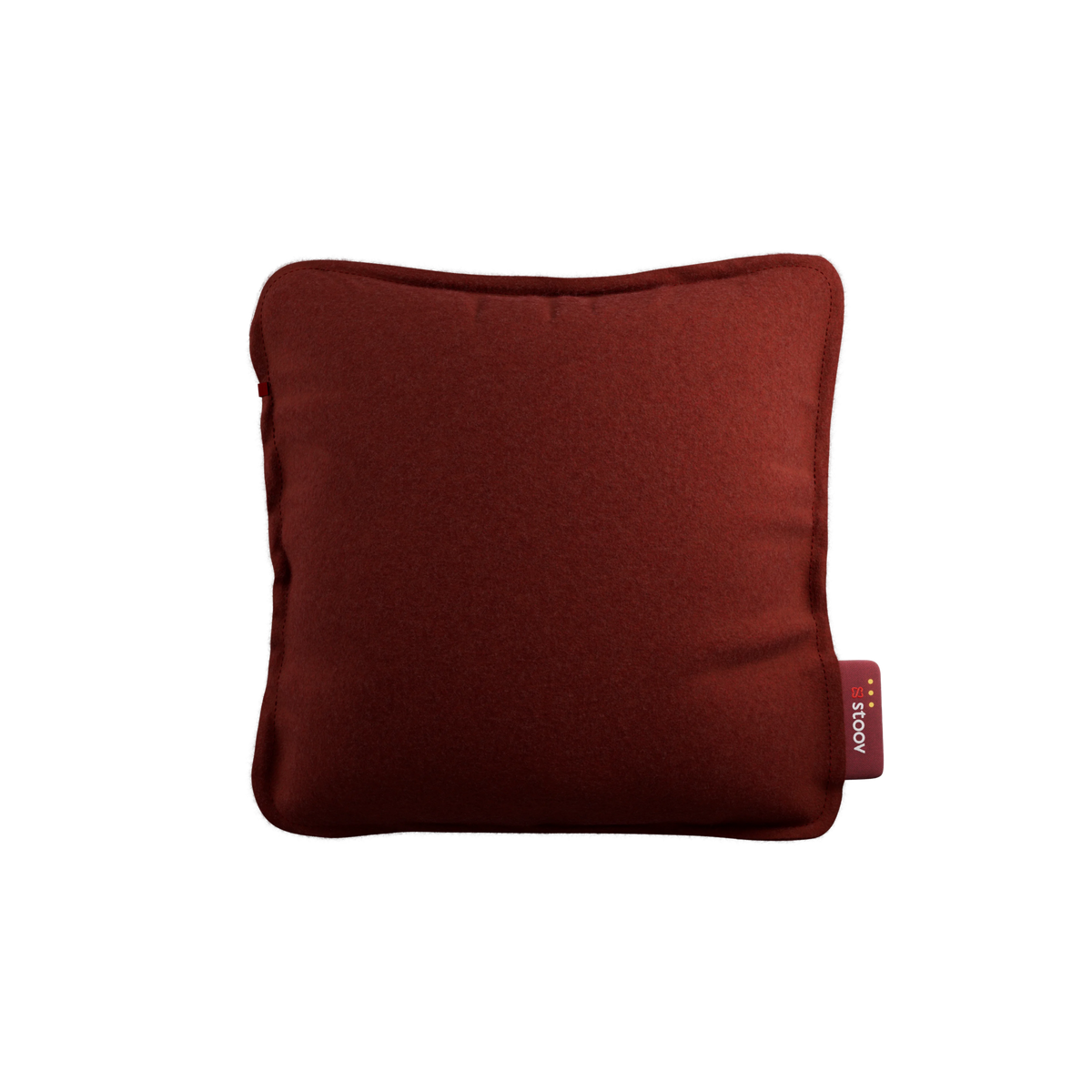


Soft, familiar comfort for every day
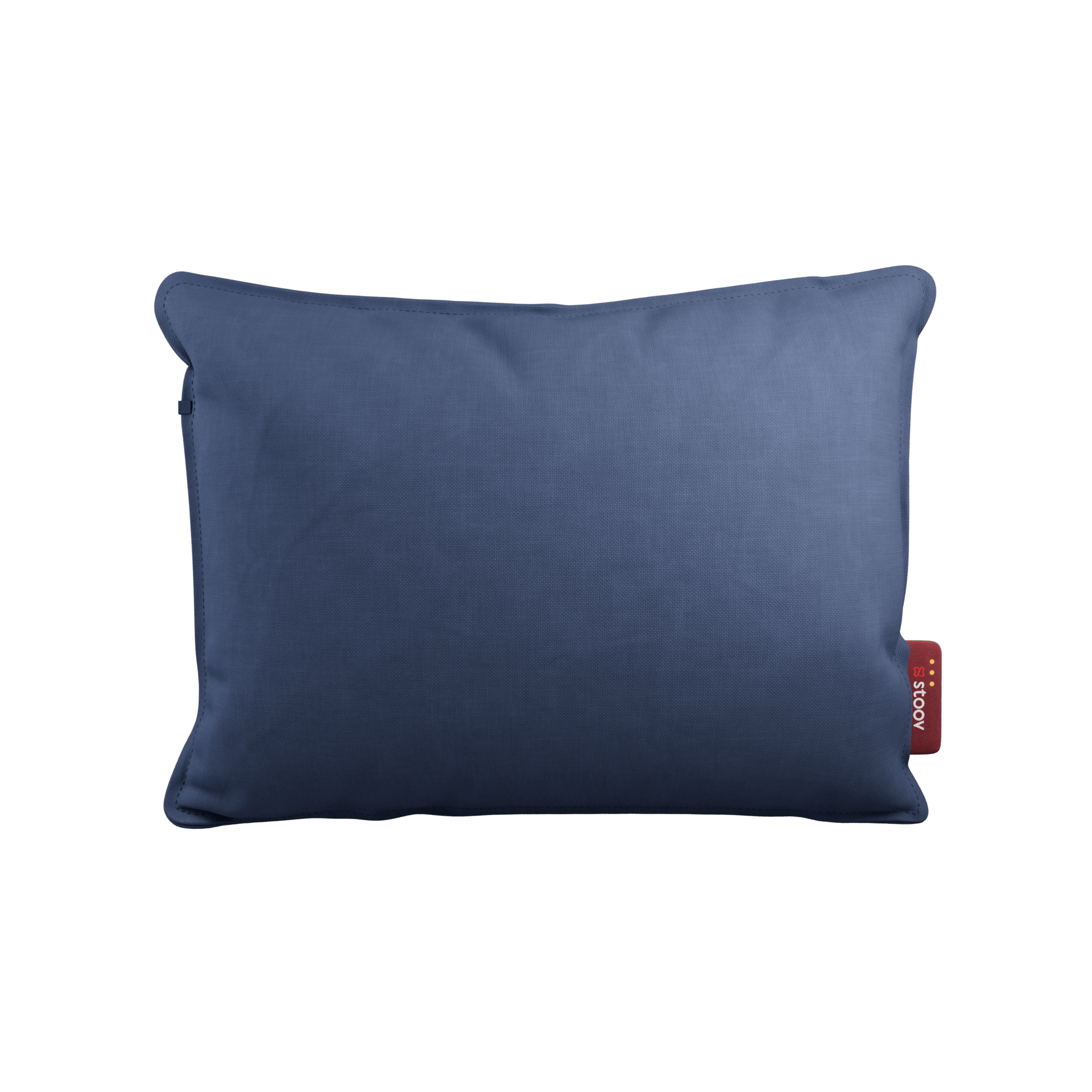
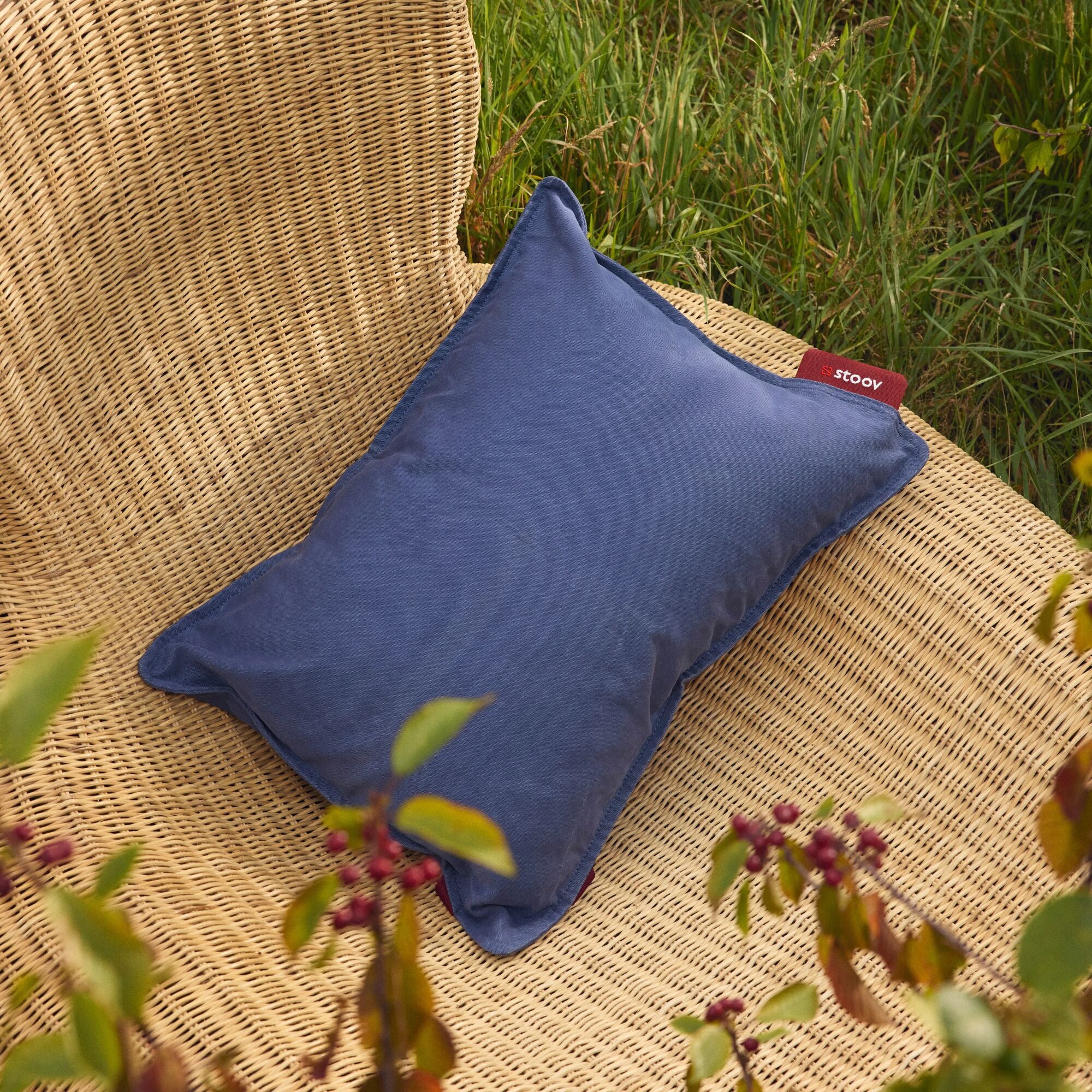

Durable outdoor fabric, surprisingly soft
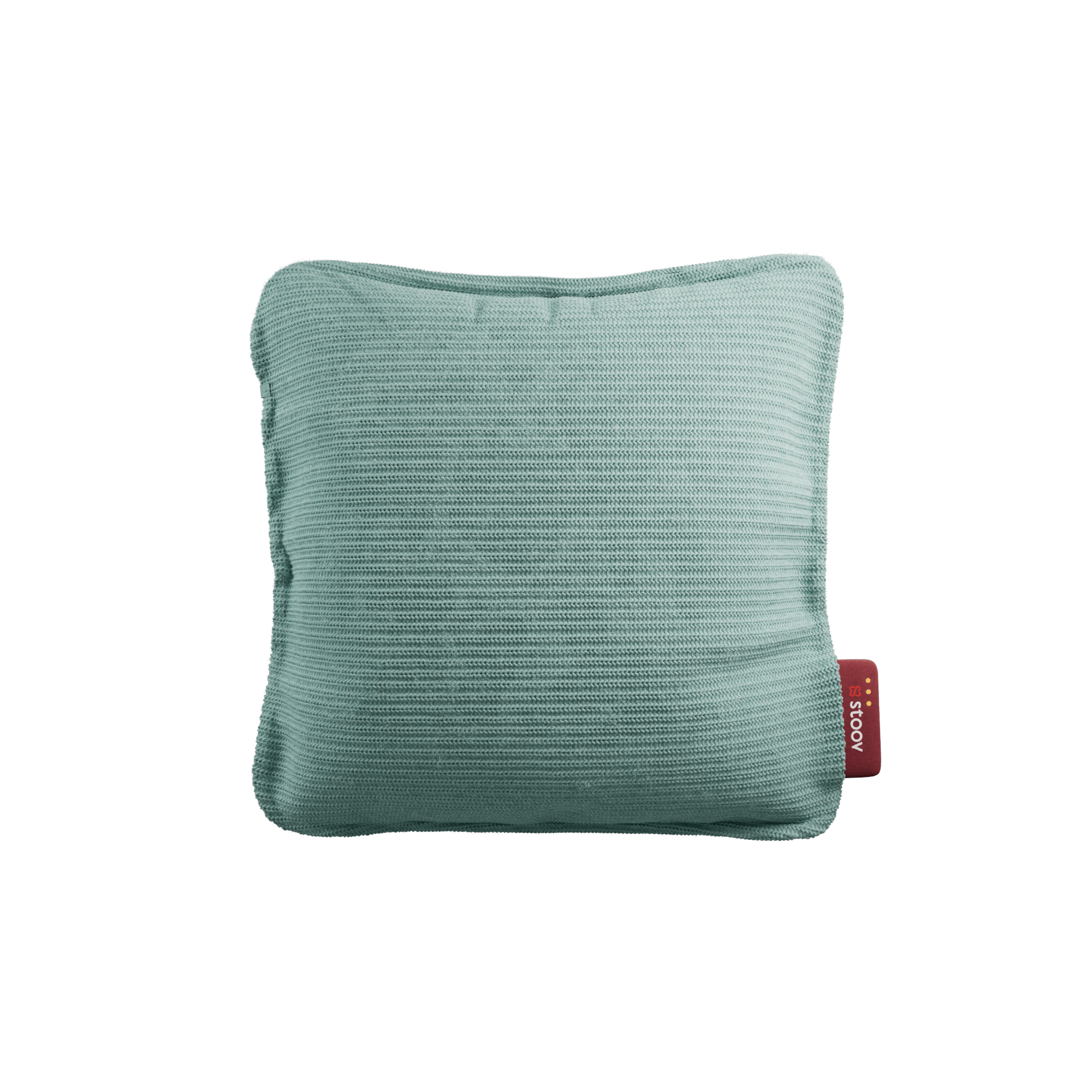
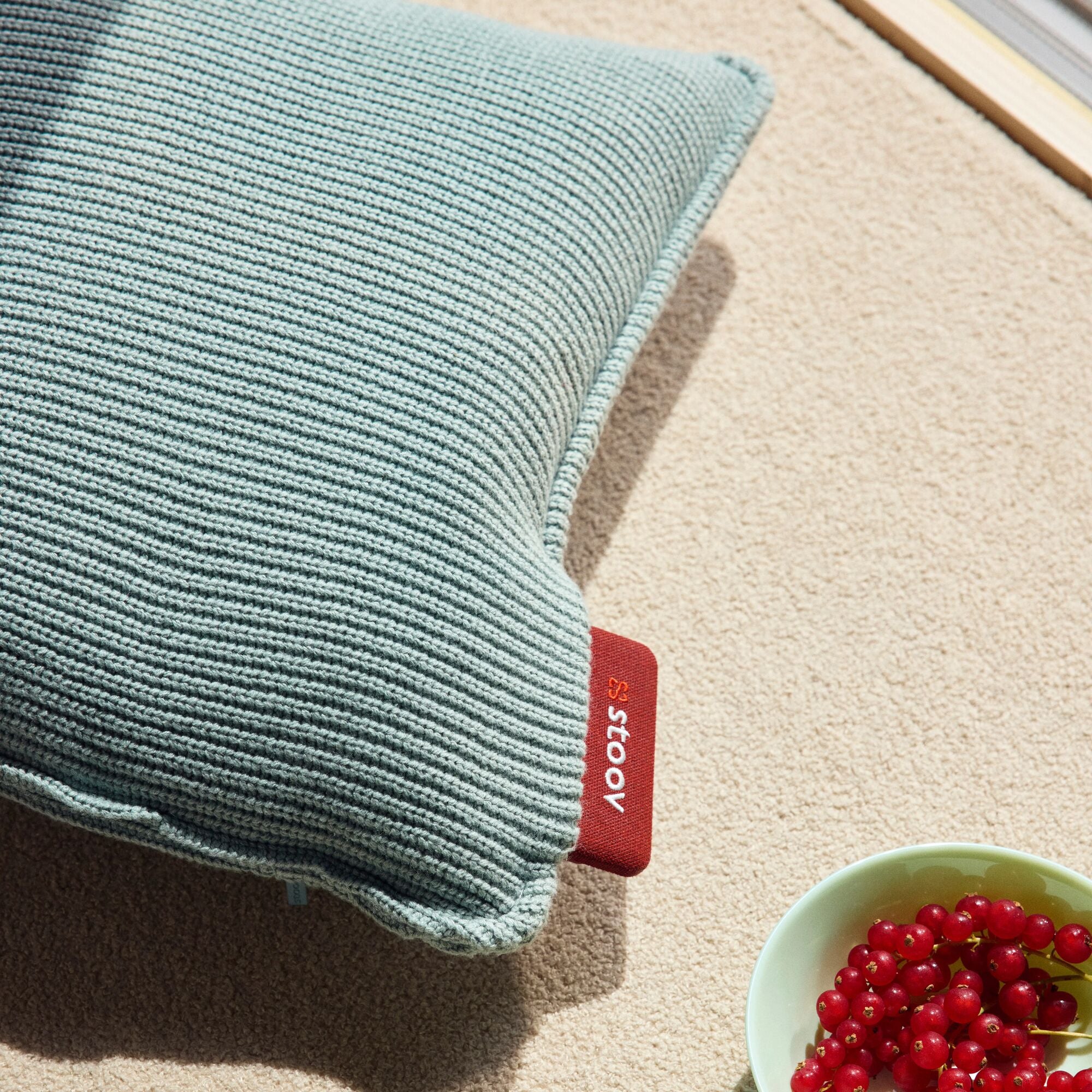

Light knit with a natural feel
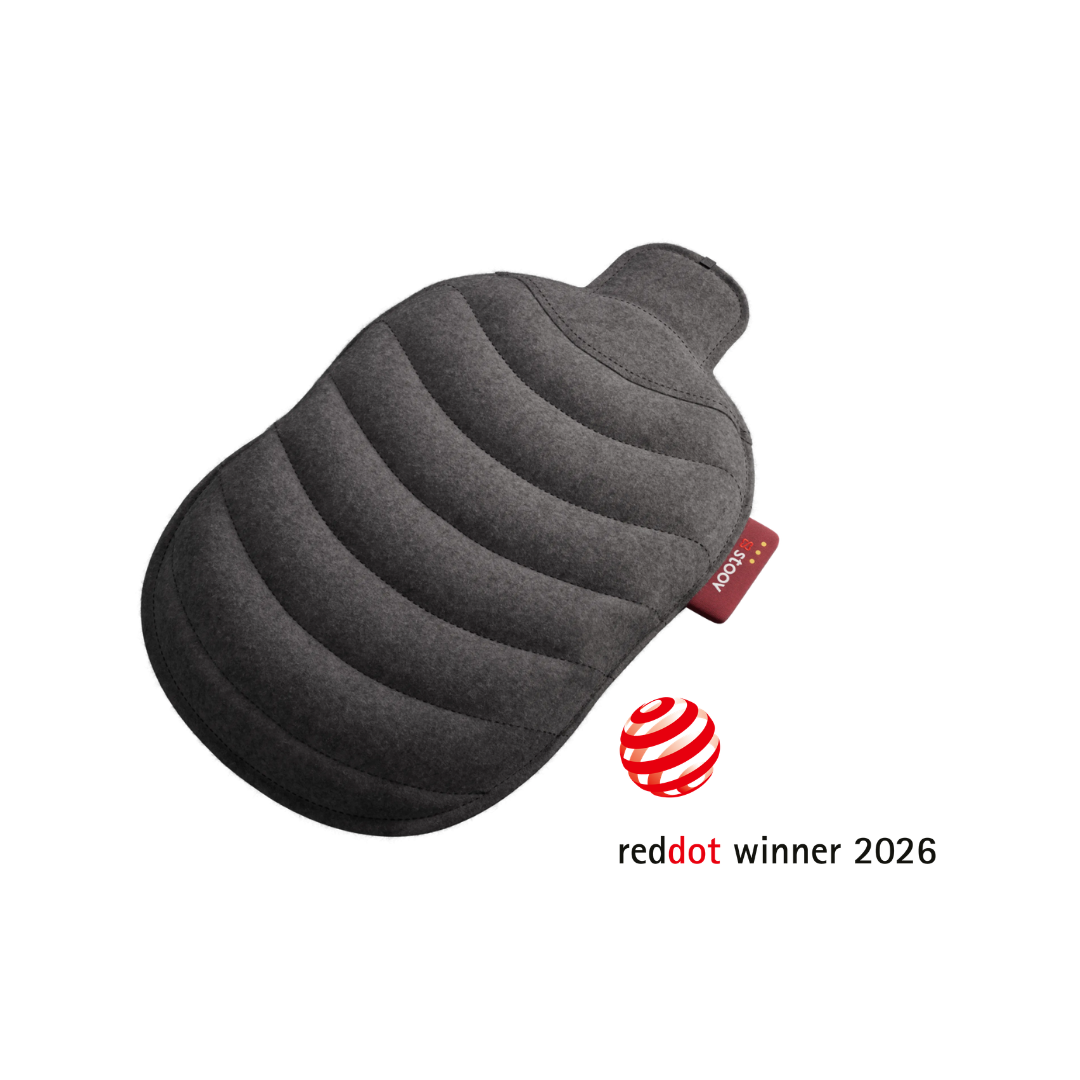
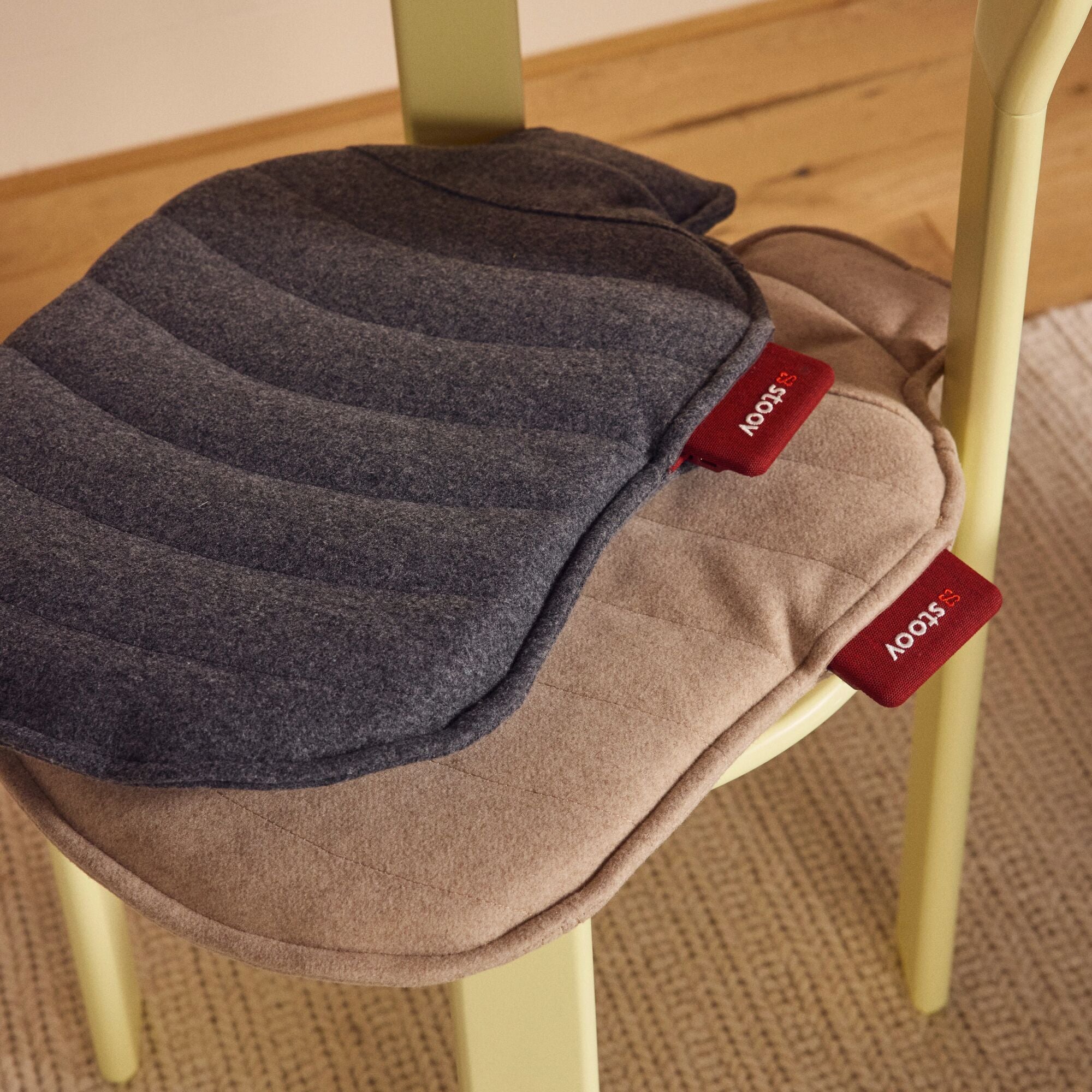
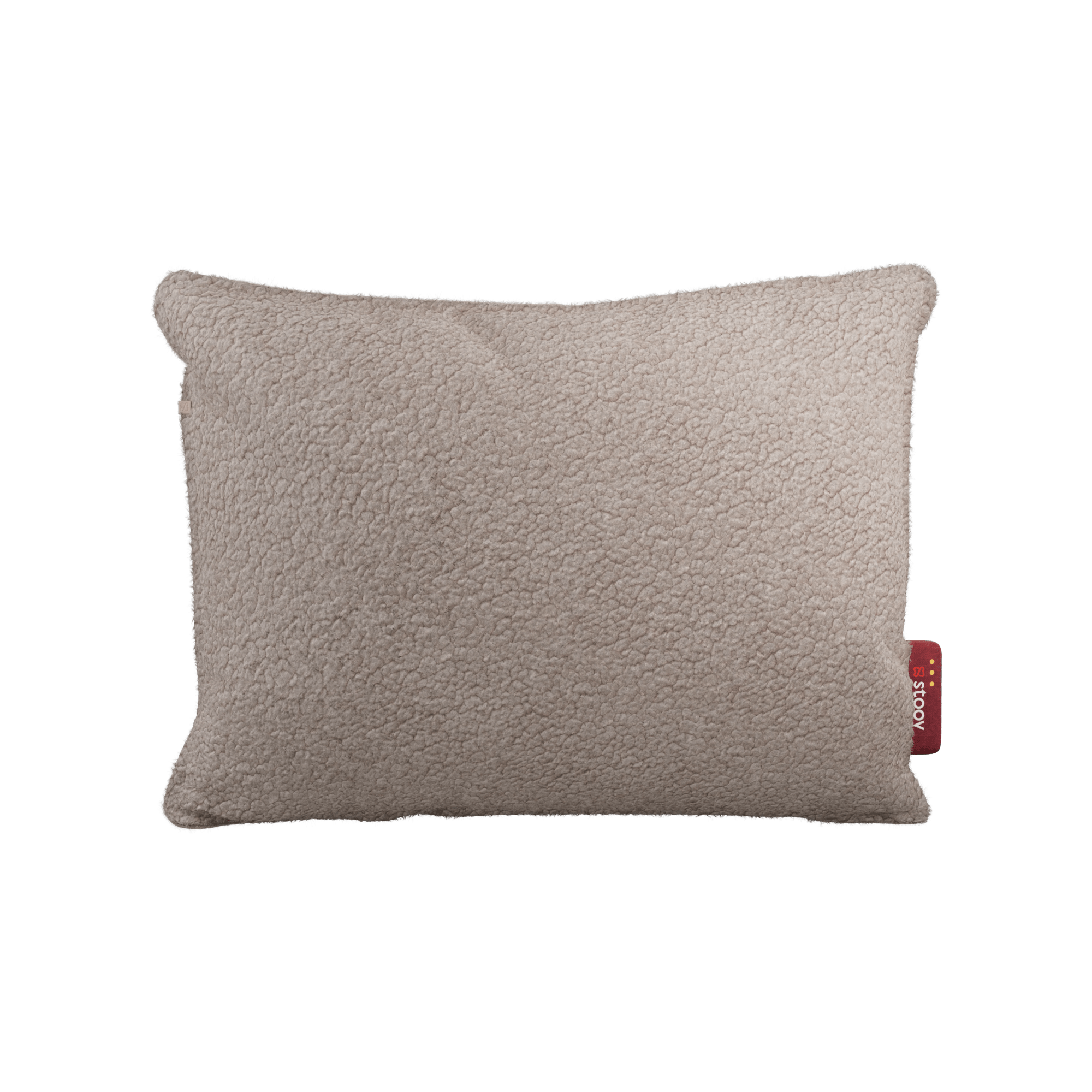


Sheepskin-soft with a fluffy texture
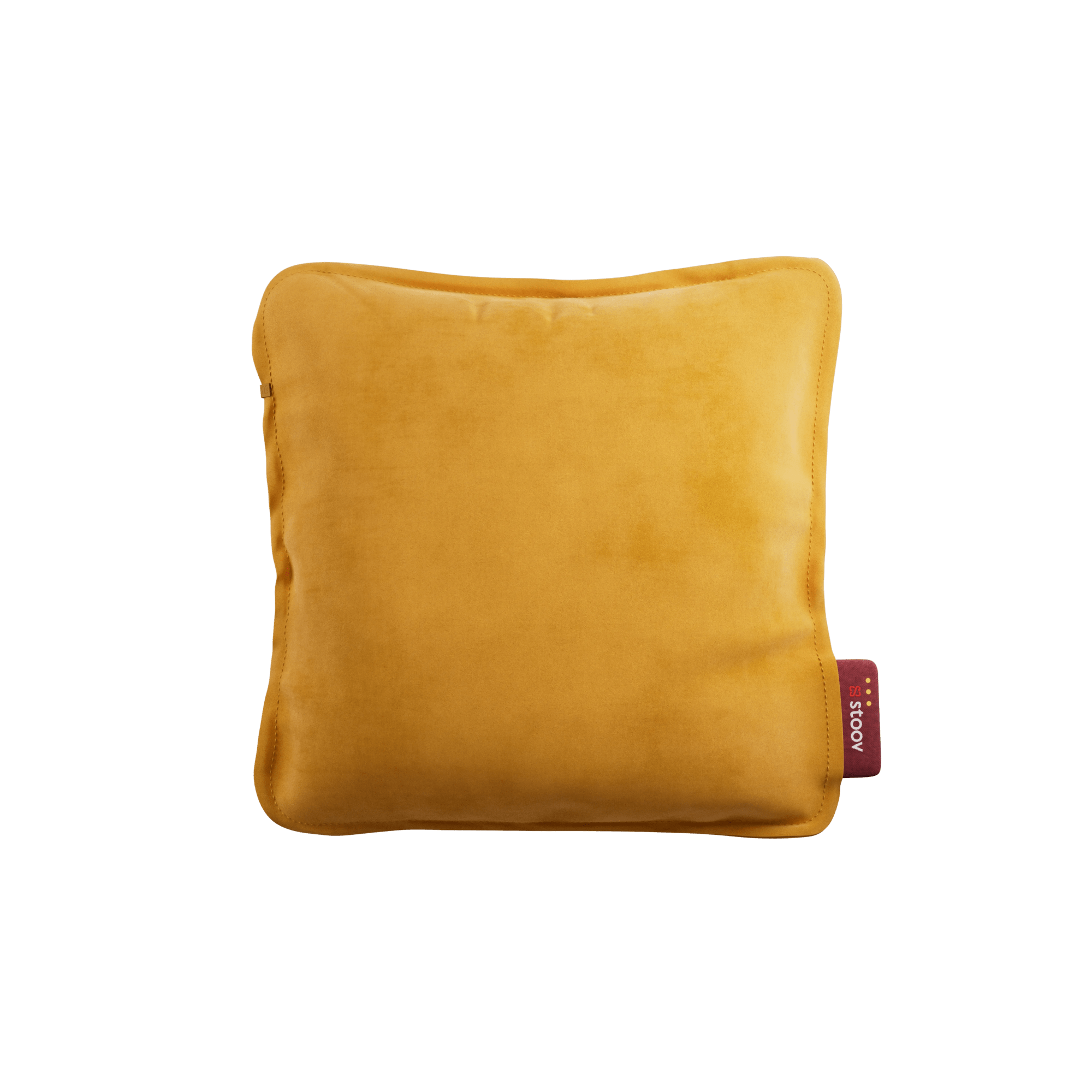


Silky-soft touch with subtle shine